You find a coffee that you fall in love with. It’s the best tasting cup you’ve ever tried. You take your new-found coffee home… and after a week it doesn’t taste at all as good as it used to. So the question is: How are you storing your coffee? Keep reading for the best storage tips to keep your coffee tasting like it should!
Fresh coffee is a true treat and joy. But fresh coffee beans have four big enemies that affect your coffee’s flavour. These include air, light, heat, and moisture. These elements affect the coffee oils and strip away flavors you love. This is partly because coffee bags do not seal well after you open them. To get the best long-term flavour, store your beans correctly. This guide shows you how to keep your coffee bold and aromatic for weeks. Here, we explain why your pantry is better than your refrigerator. We also review the best tools to keep your beans fresh longer.
Coffee Bean Enemies
There are many environmental factors that can alter the flavour of your beans. But a few common factors can affect the freshness of your coffee beans much more than expected. Proper storage of your coffee will keep your beans fresh and delicious for weeks. But first, it helps to know who are the ‘coffee enemies’ that affect your fresh coffee.
1. Oxygen Exposure
The first enemy to coffee storage is oxygen. Oxygen is a necessary factor for all life as we know it. But exposure to oxygen over time affects the flavour of your coffee. Every coffee bean contains oils, acids, and chemical compounds called “solubles”. Many of these solubles become suspended in your water to give coffee its amazing flavour. Soluble compounds degrade over time when exposed to the oxygen in the air. You’ll especially notice this with coffee that is pre-ground.
2. Light Exposure
The second coffee storage enemy is light exposure, also called “photodegradation”. This phenomenon occurs when the energy in light waves start to degrade a physical object. You may have noticed this in an old photograph or a faded fabrics. Photodegradation also speeds up the oxidation process in your coffee.
3. Moisture
Moisture is the third coffee storage problem. Wet or damp conditions will have a strong negative effect on your coffee beans. Humidity refers to the moisture that exists in the air. It can be hard to control humidity depending on where you live. If coffee beans get wet they can mold, making the coffee unsafe to drink. Storing your coffee beans in a dry environment is imperative.
4. Temperature
The fourth coffee storage problem is temperature. Temperature fluctuations change the chemical structure of roasted coffee. Storing coffee above room temperature can speed up the aging of your bean. Heat also increases the rate that C02 and oils leave the bean’s surface. Yet storing coffee in too cold an environment can result in a flat, unpleasant brew.
The Ultimate Coffee Storage Guide
Now you know what hazards affect aging your coffee. Next we’ll go over some good ways to avoid these hazards. Here’s some great tips for coffee storage (and other foods too!)
Avoid Direct Sunlight
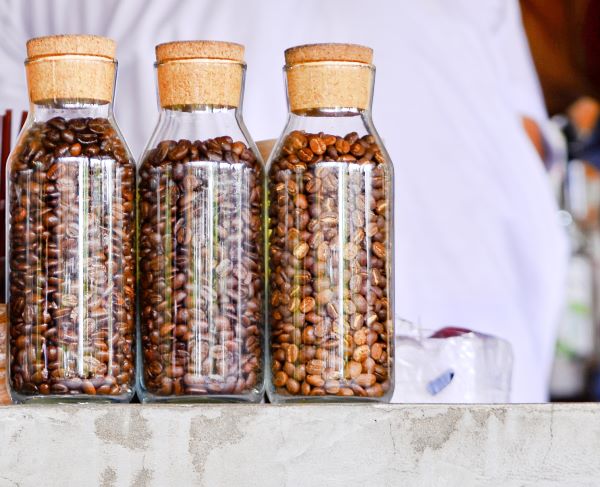
To keep coffee safe from photodegradation, it’s best to keep it away from direct sunlight. If you are storing your coffee in an opaque container, you can keep it on your counter at your coffee station. But if your coffee canister is clear plastic or glass, tuck it away in a pantry or cupboard. Darkness is definitely preferable for maintaining freshness.
Airtight containers
An airtight container keeps your beans safe from oxidation and moisture exposure. There are many airtight options for storing your coffee. In this section we go over a few of our favourites.
1. Our custom recyclable coffee bags
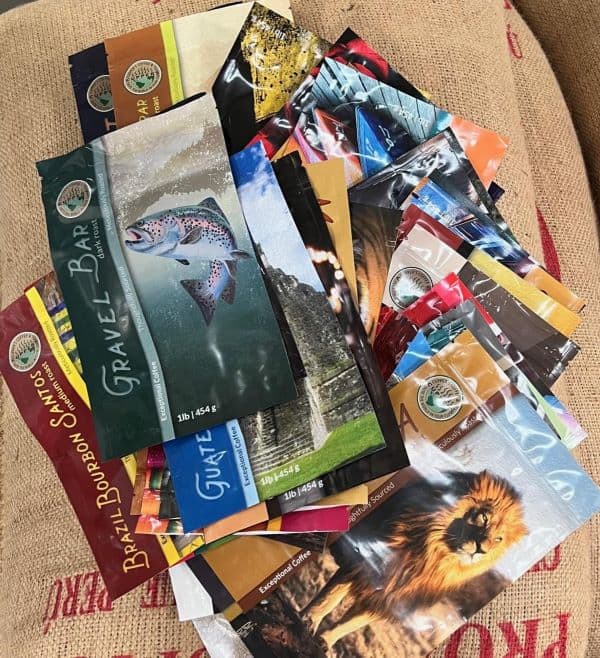
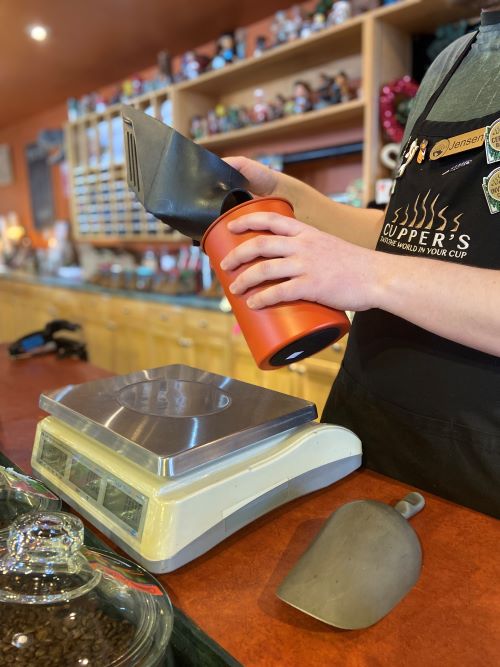
When you buy fresh roasted Cupper’s coffee, we seal it in our custom designed, recyclable bags. The bags have a fresh seal zipper on top to keep any air from escaping. They also have a semipermeable air valve on the back. This allows the C02 in the coffee to escape, without letting any oxygen into your coffee. As two bonuses, you can reuse them in our store*, and when you’re done they are #2 bin recyclable in Lethbridge. *(Extra Bonus: you get a small additional discount when you refill your bags at Cupper’s Coffee & Tea!)
2. Planetary Design Airscape Containers
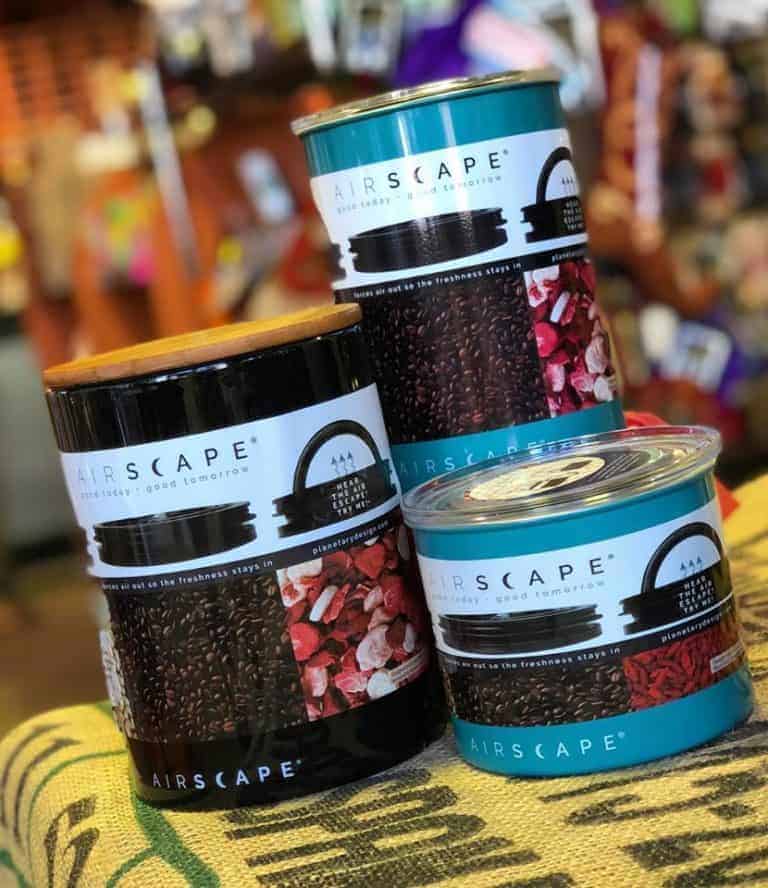
Planetary Design Airscape Containers come in plastic, glass, metal, and ceramic. There is a variety of sizes and colours to suit any decor as well. The unique part of their design is they all have two lids. The first, inner lid has a patented valve and handle that allows air to escape as it’s sealing. Also, the inner lid goes right down to the height of the stored items. This leaves no extra air in the container. The second outer lid is often clear, allowing you to see when you need to restock your coffee. This is a huge improvement on coffee containers that trap harmful oxygen in with your beans.
3. Your own container
If you have a favourite container that works as coffee storage, feel free to use it. We’re big fans of using what you already have. If you haven’t seen a degradation in the quality of your coffee, don’t feel pressured to get something new. We don’t want you to fix what’s not broken.
The Temperature Debate: Pantry vs. Freezer
Always keep your coffee in a place where it will be safe from light, temperature, and humidity changes. For these reasons one of the best places to store your coffee is in your pantry.
Many people have their coffee storage in their freezer to keep it fresh. There are several reasons we don’t recommend this storage option:
The moisture content in a freezer is often higher than is good for coffee. This is particularly true for older freezers that are not frost free.
Another issue is the negative effect that temperature change has on coffee beans. Flavours in beans change as they cool and rewarm again and again.
Freezers are notorious for their flat, stale smell. Coffee is an excellent absorber of odours. That’s why soap and perfume shops often have small trays of coffee beans around. No one wants their coffee to taste like the inside of their freezer.
Having said this, the freezer can be an excellent place to store coffee. But if you want to store your coffee in your freezer, you need to consider a few key factors. First, make sure that your coffee storage container is completely 100% airtight. Second, thaw your beans well in advance of using them. Don’t bring them out immediately before brewing coffee. Then when thawing your beans you need to keep them away from light and air. Third, examine the beans for any trace of water before putting them in your grinder. Remember, condensation can happen on any cold object. Moisture is terrible on the burrs of your coffee grinder!
Even with all this care you still can get flat flavours from the changes in your beans. Often it’s simpler and easier to keep your coffee in a pantry or cupboard.
Sustainable Coffee Storage Practices
When buying coffee it’s important to remember the environmental impact of your packaging. Of course you want to keep your coffee fresh, but you should also be mindful of what you may be adding to the landfill. Look for coffee packed in recyclable or compostable materials. Many coffee shops will also allow you to reuse your storage containers. And if you bring in your own container or reuse our Cupper’s coffee bags, you’ll also get a discount for that coffee!
Cupper’s Coffee & Tea has made a commitment to shrinking our environmental footprint. That’s why all our coffee comes in bags that are #2 recyclable. Check out our sustainability efforts in Cupper’s Coffee Roasters, Keeping it Green.
Assessing Coffee Bean Freshness
Coffee is a shelf stable product and doesn’t go bad or expire. But while it doesn’t spoil, it can definitely loose freshness and flavour. With more time (and bad storage!) it can become musty, stale, flat or otherwise taste terrible. When coffee ages there are some key indicators that it’s no longer fresh. In this section we will go over some quick indicators that your coffee is stale.
1. Aroma Check
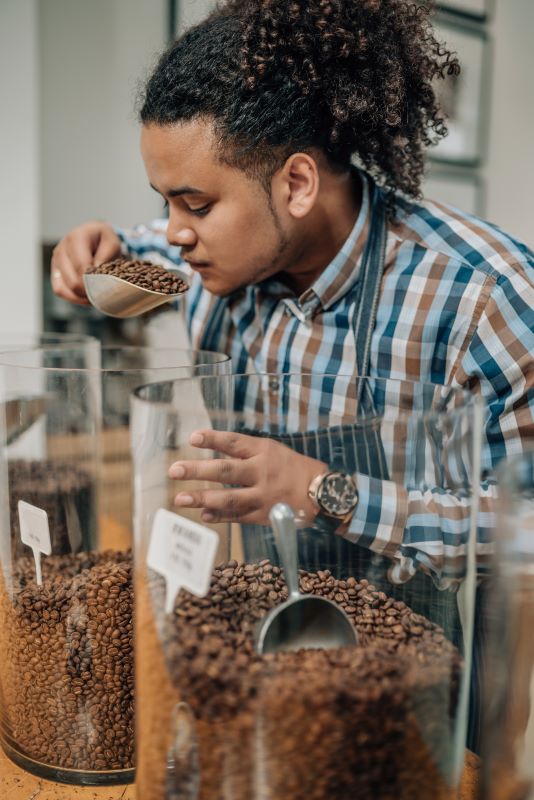
The first and easiest step to checking your coffee’s freshness is to smell it. Fresh coffee will have a pleasing rich and smooth aroma. Coffee that has aged out will smell more musty, like cardboard, or have little to no scent. Trust your sense of smell. If your coffee doesn’t smell like it should, it’s likely not fresh.
2. Visual Inspection
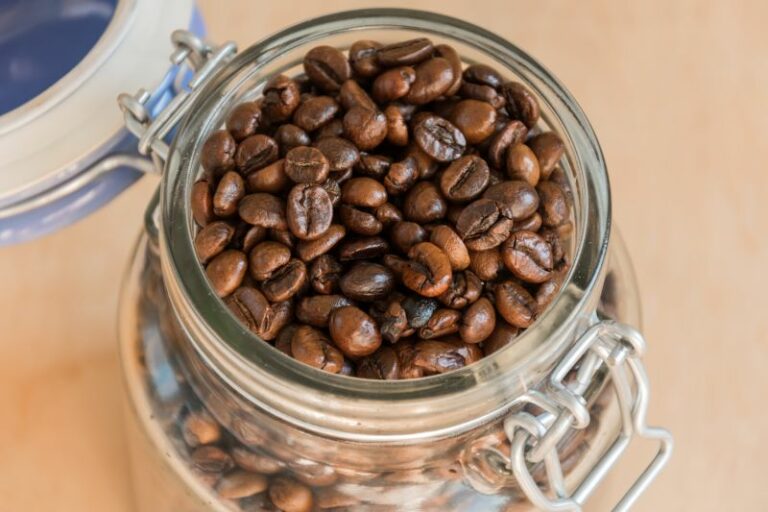
As coffee beans age the natural oils come to the surface. In a dark roast this can happen in a day or two after roasting. But this is not something that should appear in a medium roast. A very shiny or oily bean from a medium roast is a good indicator that your coffee storage is inadequate. As mentioned earlier, oxidation speeds up this aging process in your coffee.
3. Do a Brew Test
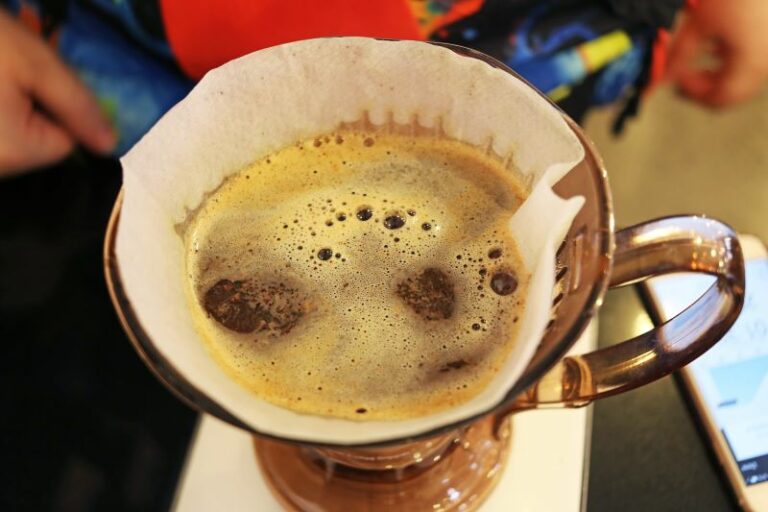
If you’ve ever made a pourover with fresh coffee, you know that the grounds ‘bloom’ when you first pour water on them. The bloom is the burst of bubbles that erupt from the grounds. If you pour your hot water too fast, your coffee (and grounds!) will froth over the top of your carafe and make a big mess. This is because fresh coffee grounds release C02 as the hot water hits them. Stale coffee has already leached out its C)2, so the bloom is minimal. Thus a great way to test the freshness of your ground coffee is to brew it. If you’re not noticing a big, bold bloom, it is likely that your coffee is older, or the storage is poor.
Coffee Storage Conclusions
In conclusion, if you want to keep your coffee safe from the elements you need to invest in a good storage solution. The best advice is to keep your coffee in an airtight container in a cool and dry place. We don’t recommend keeping your coffee in the freezer to keep it fresh. There’s a host of better options that will work for you with minimal effort. And you’ll get better tasting coffee, which adds great value!
FAQs on Coffee Storage
1. Can you freeze coffee beans?
Storing your coffee beans in the freezer is not recommended. Moisture, humidity, and temperature have a drastic effect on the freshness of coffee. And the absorption of aromas from the freezer can affect the flavour of your coffee. No one wants to drink coffee that tastes like freezer burn!
2. How long do coffee beans last?
While coffee does not have an expiry date, it will start to degrade over time. Well stored coffee can last more than a month from the roast date. While it may not have the bloom of fresh roasted coffee, the flavours do last better in good storage.
3. What is the best way to store coffee long term?
We recommend storing your coffee in an airtight canister in a cool dry place. Our favourite storage combo is a tightly-sealed Planetary Design Airscape in the pantry.
4. Is coffee still good after 5 years?
Coffee does not have an expiry date. As long as it hasn’t come into contact with moisture and doesn’t appear to have mould on it it should be safe to drink. The flavour does degrade over time, so a 5 year-old coffee will have little or very compromised favour.
5. Does coffee actually expire?
Coffee is shelf-stable and doesn’t “expire” like milk. But over time, it does lose freshness. After 4 weeks, the natural oils begin to dry out or go rancid. It will be safe to drink, but it will taste flat, musty, or like cardboard.
6. Should I store my coffee in the refrigerator?
No. Storing coffee in the fridge is a common mistake. Coffee beans are porous and act like a sponge. They will absorb the smells of onions, garlic, and other foods in your fridge. Also, the moisture in a fridge can cause more flavour problems for the beans.
7. How can I tell if my coffee beans are still fresh?
The best way is the “Bloom Test.” When you pour hot water over fresh grounds, they should bubble and swell. This is the release of CO2 gas. If the water only sits on top and the grounds look flat, your coffee has likely gone stale.
8. What is the best container for coffee storage?
The best container is the Planetary Design Airscape. Unlike standard jars, it has a patented inner lid that pushes most of the air out of the canister. This reduces the exposure to the oxygen that causes your coffee to go stale.
Shopping Cart
Local Delivery Schedule
Thank you for your order and request for delivery. Deliveries are completed the same day,
Monday through Friday (excluding stat holidays) if received by 1:00 pm that day.
Any received after that time will be delivered the next business day.